- Mob.
+86 138 2778 0549
+86 138 2778 0549
Training room chairs are an essential part of modern educational and corporate environments. Whether used in conference rooms, classrooms, seminar halls, corporate training centers, or multipurpose learning spaces, the right seating directly affects comfort, productivity, flexibility, and user experience.
One of the most common questions buyers ask is: how much do training room chairs cost?
The answer depends on multiple factors, including chair type, materials, ergonomics, mobility, durability, and customization. While basic chairs may cost less than $20, premium ergonomic training chairs can exceed several hundred dollars per seat.
Understanding these pricing factors helps businesses, schools, architects, and facility managers choose the best seating solution while staying within budget.
Training room chair prices vary widely depending on functionality and quality.
| Chair Type | Typical Price Range |
|---|---|
| Basic Plastic Stackable Chairs | $10–$40 |
| Standard Training Chairs | $40–$100 |
| Tablet Arm Training Chairs | $60–$180 |
| Ergonomic Training Chairs | $120–$300 |
| Premium Executive Training Chairs | $300–$500+ |
The final cost may also include shipping, installation, customization, and bulk-order discounts.
Material selection is one of the biggest factors affecting training room chair cost.
Powder-coated steel
Aluminum
Reinforced polypropylene
Wood accents
Steel frames are generally more durable and suitable for high-traffic environments, while plastic frames are more affordable and lightweight.
Polypropylene seat shells
Fabric upholstery
Mesh backs
PU leather
Genuine leather
High-quality materials improve durability and comfort but usually increase production costs.
Ergonomic features significantly impact chair pricing.
Basic chairs provide minimal support, while advanced ergonomic training chairs may include:
Lumbar support
Adjustable seat height
Flexible backrests
Armrests
Tilt mechanisms
Breathable mesh materials
Waterfall seat edges
These features improve posture and reduce fatigue during long training sessions.
Although ergonomic seating costs more upfront, it often provides better long-term value through improved comfort and reduced replacement frequency.
Different chair designs serve different applications and budgets.
Stackable chairs are among the most affordable options due to their simple structure and easy storage capabilities.
Space-saving
Lightweight
Easy to transport
Cost-effective
Temporary training rooms
Multipurpose spaces
Educational facilities
Folding chairs are designed for flexible seating arrangements and temporary setups.
Portable
Compact storage
Budget-friendly
Less ergonomic
Lower durability for heavy daily use
These chairs include integrated writing surfaces for note-taking and classroom use.
Seminars
Educational training
Lecture rooms
Certification courses
Tablet-arm chairs typically cost more because of their added functionality.
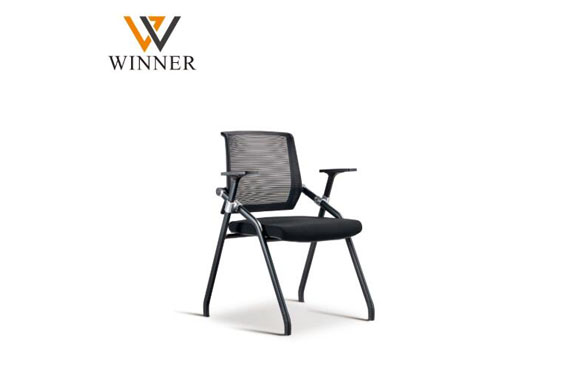
Ergonomic training chairs are designed for long-duration seating comfort.
Adjustable height
Lumbar support
Casters
Tilt functions
Mesh backs
These chairs are commonly used in:
Corporate learning centers
Executive training rooms
Universities
Professional development spaces
Modern training spaces often require flexible room layouts.
Chairs with added mobility features usually cost more, including:
Casters
Swivel bases
Nesting frames
Foldable writing tablets
Linking systems
However, these features improve:
Room reconfiguration speed
Space efficiency
Collaborative learning setups
Multipurpose functionality
For dynamic training environments, flexible seating solutions are often worth the additional investment.
Training room chairs used daily must withstand frequent movement and heavy use.
Commercial-grade chairs generally include:
Reinforced steel frames
High-density foam
Scratch-resistant finishes
Heavy-duty mechanisms
Fire-retardant materials
Higher durability usually means higher initial costs, but it reduces maintenance and replacement expenses over time.
When evaluating chair cost, buyers should consider total lifecycle value rather than only the purchase price.
Large-volume purchases can significantly reduce per-chair costs.
Manufacturers often provide:
Wholesale pricing
Volume discounts
OEM services
Container-load savings
Bulk purchasing is especially common for:
Schools
Universities
Conference centers
Corporate training facilities
Government projects
Standardizing chair models can further improve purchasing efficiency and simplify future maintenance.
Customized training room chairs typically cost more than standard models.
Common customization options include:
Custom colors
Embroidered logos
Special upholstery fabrics
Antimicrobial materials
Writing tablet configurations
Special armrests
Seat numbering
Customization improves branding and interior consistency but may involve:
Higher minimum order quantities
Longer lead times
Additional tooling costs
Many buyers underestimate logistics expenses when budgeting for training room seating.
Shipping costs depend on:
Chair size
Weight
Packaging method
Assembly requirements
Container efficiency
Additional costs may include:
Import duties
Warehousing
Installation labor
Packaging disposal
Knock-down chair designs can help reduce shipping costs compared to fully assembled seating.
Affordable seating does not necessarily mean choosing the cheapest option. The goal is to balance comfort, durability, functionality, and long-term value.
Evaluate suppliers based on:
Product quality
Warranty coverage
Certifications
Delivery terms
After-sales support
The lowest price is not always the best long-term investment.
Not every training room requires premium ergonomic seating.
Short training sessions
Temporary setups
Multipurpose rooms
Daily use
Long-duration training
Executive education
Professional learning environments
A low-cost chair that requires frequent replacement may become more expensive over time.
When comparing options, consider:
Expected lifespan
Maintenance costs
User comfort
Replacement frequency
Warranty protection
Commercial-grade seating often provides better overall value despite higher upfront costs.
Refurbished commercial chairs can provide significant savings for budget-conscious projects.
However, buyers should carefully inspect:
Structural condition
Cushion quality
Frame integrity
Availability of replacement parts
Before purchasing, consider the following questions:
How long will users remain seated?
Will the room layout change frequently?
Is stackability important?
Are writing tablets required?
What level of ergonomic support is needed?
How many hours per day will the chairs be used?
Is mobility necessary?
What is the expected lifespan?
Answering these questions helps narrow down the most cost-effective seating solution for the specific application.
Training room chair costs vary based on materials, ergonomics, flexibility, durability, and customization. While budget chairs may work for temporary or low-use environments, commercial training facilities generally benefit from investing in higher-quality seating that improves comfort and long-term performance.
The best training room chairs should balance:
Comfort
Durability
Flexibility
Space efficiency
Budget control
Rather than focusing only on the initial purchase price, businesses and institutions should evaluate the total value the seating system provides over its entire lifespan.
With proper planning and supplier selection, it is possible to find affordable training room chairs that deliver excellent functionality, comfort, and durability for years to come.Contact Winner for more information
Copyright © Foshan Winner Furniture Co., Ltd. All Rights Reserved |
Sitemap
| Technical Support: