- Mob.
+86 138 2778 0549
+86 138 2778 0549
Selecting the right auditorium seating is one of the most important decisions when designing a theater, lecture hall, conference center, performing arts venue, school auditorium, church, or multipurpose event space. The seating layout directly impacts audience comfort, visibility, acoustics, accessibility, safety, and even the long-term profitability of the venue.
Poor seating choices can lead to uncomfortable guests, blocked sightlines, difficult maintenance, reduced capacity efficiency, and expensive renovations later. On the other hand, well-designed auditorium seating improves visitor satisfaction, enhances the venue’s image, and maximizes operational efficiency for years.
Whether you are planning a new venue or upgrading an existing space, here are the 8 most important criteria to consider when choosing auditorium seating.
Comfort should always be the first priority when selecting auditorium seating. Audiences may remain seated for one hour, several hours, or even an entire day during conferences, concerts, ceremonies, lectures, or performances. Uncomfortable seating negatively affects the overall visitor experience.
Seat cushion thickness and density
Lumbar support design
Backrest angle and height
Armrest positioning
Seat width
Legroom between rows
Breathable upholstery materials
Modern auditorium seats are designed with ergonomic contours that reduce fatigue and improve posture. High-density molded foam cushions generally provide better long-term durability and comfort than low-density foam.
The seat pitch and row spacing are equally important. Industry guidelines often recommend row spacing around 36 inches or more to provide comfortable passage and sufficient legroom for guests.
Improves audience satisfaction
Encourages repeat attendance
Reduces complaints during long events
Enhances premium venue perception
Supports longer event durations
For high-end theaters and performing arts centers, premium upholstery, thicker cushioning, and wider seat dimensions are increasingly becoming standard expectations.
Even the most comfortable auditorium chair becomes ineffective if the audience cannot clearly see the stage, screen, or speaker.
Sightline optimization is one of the most critical technical factors in auditorium design. Every seat should provide a clear, unobstructed view of the focal point.
Floor slope or tiered seating design
Riser height between rows
Seat staggering arrangement
Balcony positioning
Distance from stage or screen
Viewing angle calculations
Tiered seating systems are commonly used in auditoriums because they improve visibility for every row. Proper seat staggering also prevents audience members from sitting directly behind one another.
Poor sightline planning can significantly reduce audience engagement and overall venue quality.
Cinemas
Performing arts theaters
University lecture halls
Conference centers
Worship spaces
Multipurpose auditoriums
In larger venues, professional sightline studies are often conducted during the architectural design phase.
Auditorium seating plays a surprisingly important role in overall acoustics. The materials, shape, upholstery, and spacing of the seats all affect sound absorption and sound reflection inside the venue.
For concert halls, theaters, and lecture venues, acoustically optimized seating helps improve sound clarity and speech intelligibility.
Upholstery fabric selection
Seat cushion density
Wood or metal components
Noise reduction mechanisms
Seat absorption characteristics
Tip-up seat operation noise
Some premium auditorium seats are specifically engineered to mimic the acoustic absorption of a seated audience even when unoccupied. This helps maintain consistent sound quality during partially filled events.
Soft-close tip-up mechanisms are also important because noisy seat movement can disrupt performances and presentations.
Clear speech intelligibility
Balanced reverberation
Reduced echo
Quiet seat operation
Consistent acoustic performance
Concert halls and performance venues typically require more advanced acoustic seating solutions than standard lecture halls.
Venue owners often need to balance audience comfort with maximum seating capacity. Efficient seating layouts help optimize ticket revenue while maintaining safety and comfort standards.
The right auditorium seating system should maximize usable space without creating overcrowded conditions.
Seat width
Row spacing
Aisle placement
Curved vs straight row layouts
Seat mounting systems
Retractable seating options
Curved seating rows can often improve both visibility and space utilization. In multipurpose venues, retractable or telescopic seating systems provide additional flexibility.
What is the venue’s target occupancy?
Will the venue host multiple event types?
Is flexibility more important than fixed capacity?
How important is premium seating spacing?
Finding the right balance between density and comfort is essential for long-term venue success.
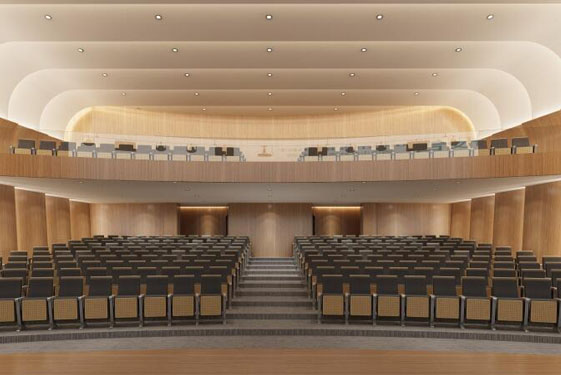
Accessibility is no longer optional in modern auditorium design. Venues must accommodate guests with mobility limitations and comply with local accessibility regulations such as ADA requirements in the United States.
Accessible seating should be thoughtfully integrated into the seating layout instead of being treated as an afterthought.
Wheelchair-accessible seating spaces
Companion seating
Accessible aisles and pathways
Flip-up armrests
Easy transfer seating
Barrier-free circulation routes
Accessible viewing positions
Accessible seating locations should provide viewing experiences comparable to standard seating areas.
Legal compliance
Inclusive audience experience
Improved venue reputation
Better event accessibility
Wider audience reach
Many modern venues now incorporate universal design principles to ensure equal comfort and convenience for all attendees.
Auditorium seating is a long-term investment. In high-traffic venues, seats may experience thousands of usage cycles every year. Choosing durable materials significantly reduces maintenance costs and extends product lifespan.
High-density cold-cured foam
Steel structural frames
Scratch-resistant armrests
Stain-resistant upholstery
Fire-retardant materials
Anti-rust metal coatings
Heavy-duty tip-up mechanisms
Low-maintenance materials are especially important in:
Schools
Universities
Public auditoriums
Government facilities
Transportation terminals
Event venues
Easy-to-clean fabrics and replaceable seat components can reduce operational downtime and simplify repairs.
Cleaning frequency
Fabric replacement options
Spare parts availability
Seat mechanism reliability
Warranty coverage
Long-term repair costs
Investing in higher-quality seating often lowers total ownership costs over time.
Auditorium seating contributes significantly to the visual identity of the venue. The color, material, style, and finish of the seats help define the audience’s first impression.
Modern venues increasingly use seating design as part of their branding strategy.
Upholstery colors
Wood veneer finishes
Armrest materials
Seat stitching patterns
Logo embroidery options
Contemporary vs classic styling
Luxury theaters may prioritize elegant wood finishes and premium fabrics, while universities may prefer practical, modern seating with durable finishes.
Enhances venue atmosphere
Supports architectural design
Improves audience perception
Strengthens brand identity
Creates premium visual appeal
Custom auditorium seating solutions allow venues to align seating appearance with their overall interior design concept.
Safety is one of the most critical requirements in auditorium seating selection. Seating systems must comply with local building codes, fire safety regulations, and public assembly standards.
Fire-retardant materials
Emergency egress clearance
Aisle width compliance
Structural stability
Load-bearing performance
Anti-panic design requirements
Secure floor anchoring
Improper row spacing or poorly planned aisle layouts can negatively impact emergency evacuation efficiency.
Maximum row length
Minimum aisle width
Clear passage dimensions
Accessibility regulations
Local fire codes
International building standards
Working with experienced auditorium seating manufacturers and architects helps ensure full compliance during both design and installation.
Beyond the core eight criteria, several additional considerations may influence your auditorium seating decision.
Retractable seating systems are ideal for multipurpose venues that require flexible floor usage.
Greater structural stability
Better long-term durability
Premium appearance
Improved acoustics
Flexible event configurations
Space-saving functionality
Multi-use venue adaptability
Faster space conversion
Modern auditorium seating increasingly includes integrated technology solutions.
USB charging ports
Power outlets
Writing tablets
Cup holders
LED aisle lighting
Translation system integration
Smart seat numbering
These features are especially popular in conference halls, universities, and corporate training centers.
Sustainability has become an important factor in commercial seating procurement.
Many venues now prefer environmentally responsible seating materials such as:
Recyclable metal components
FSC-certified wood
Low-emission foam
Eco-friendly upholstery fabrics
Sustainable manufacturing processes
Green building certifications may also influence seating material selection.
Selecting the right supplier is just as important as selecting the right product.
Custom seating solutions
Engineering support
Installation guidance
International certifications
Project references
Warranty protection
After-sales support
Experienced manufacturers can assist with layout optimization, sightline analysis, acoustic considerations, and compliance requirements.
Choosing auditorium seating is far more complex than simply selecting chairs. The right seating solution must balance comfort, visibility, acoustics, safety, accessibility, durability, aesthetics, and operational efficiency.
By carefully evaluating these eight essential criteria, venue owners and project planners can create spaces that deliver outstanding audience experiences while maximizing long-term value.
Whether you are designing a theater, lecture hall, conference center, church auditorium, cinema, or performing arts venue, investing in high-quality auditorium seating is an investment in the future success of your facility.
A well-designed seating system not only improves audience satisfaction but also strengthens your venue’s reputation, functionality, and long-term profitability.
Many modern auditoriums use row spacing around 34–40 inches depending on seat size, local regulations, and comfort requirements.
High-density molded foam combined with durable fabric or premium upholstery is commonly preferred for long-term comfort and durability.
Seat materials and design affect sound absorption, reverberation, and speech clarity throughout the venue.
Retractable seating systems are highly beneficial for multipurpose venues that require flexible space usage.
High-quality auditorium seating can often last 15–25 years with proper maintenance.
Sources referenced for industry insights and standards:
Irwin Seating auditorium design resources
WBDG auditorium design guidelines
Leadcom auditorium seating layout guide
Industry ADA accessibility recommendations
Acoustic auditorium seating design references
Copyright © Foshan Winner Furniture Co., Ltd. All Rights Reserved |
Sitemap
| Technical Support: