- Mob.
+86 138 2778 0549
+86 138 2778 0549
Choosing the right hospital waiting room chair is important for creating a comfortable, clean and professional healthcare environment. In hospitals, clinics, dental offices and medical centers, patients and visitors may spend a long time in the waiting area. A well-designed hospital waiting chair not only improves the user experience but also helps healthcare facilities maintain order, safety and long-term durability.
For buyers, project contractors and facility managers, selecting suitable medical waiting room seating requires more than just looking at appearance. Comfort, material, cleaning performance, space layout and daily durability should all be considered before purchase.
A hospital waiting area is often the first place patients and visitors experience after entering a healthcare facility. Comfortable and reliable seating can help reduce anxiety, improve waiting comfort and create a better first impression.
Unlike ordinary office chairs, hospital waiting chairs are used by different people throughout the day. They need to withstand frequent use, support different body types and remain easy to clean. Therefore, choosing the right hospital waiting room chair is a key part of healthcare furniture planning.
Hospitals and clinics usually have a high flow of patients, family members and visitors. The chairs must be strong enough for daily use in busy public areas.
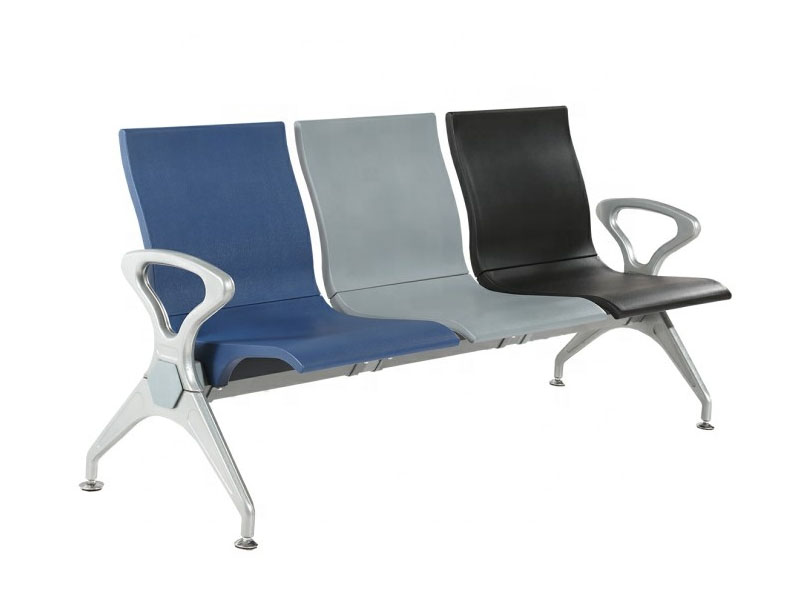
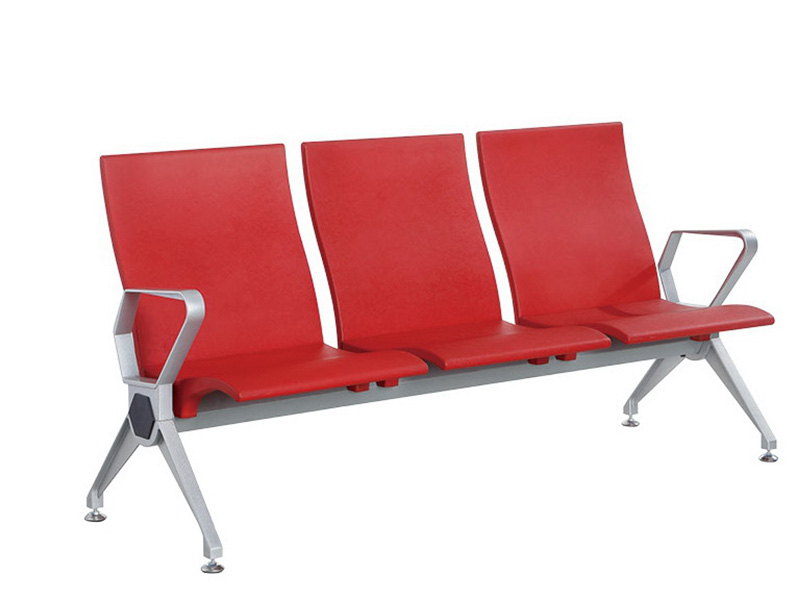
Metal frames, aluminium alloy structures and reinforced chair legs are commonly used for hospital waiting chairs because they provide good stability and long service life. For seating surfaces, PU, vinyl or other easy-clean materials are practical options for medical environments.
A durable hospital waiting room chair helps reduce replacement costs and keeps the waiting area safe and reliable over time.
Cleanliness is one of the most important requirements for medical waiting room seating. Hospital furniture should be easy to wipe, clean and maintain.
Smooth surfaces, stain-resistant upholstery and simple chair structures can help cleaning staff work more efficiently. Materials such as PU and vinyl are often preferred because they are easier to clean than fabric and are suitable for healthcare waiting areas where hygiene is a daily priority.
When choosing hospital waiting chairs, avoid designs with too many hard-to-clean gaps or complicated decorative details.
Patients may feel tired, nervous or physically uncomfortable while waiting for treatment. Comfortable seating can help improve their waiting experience.
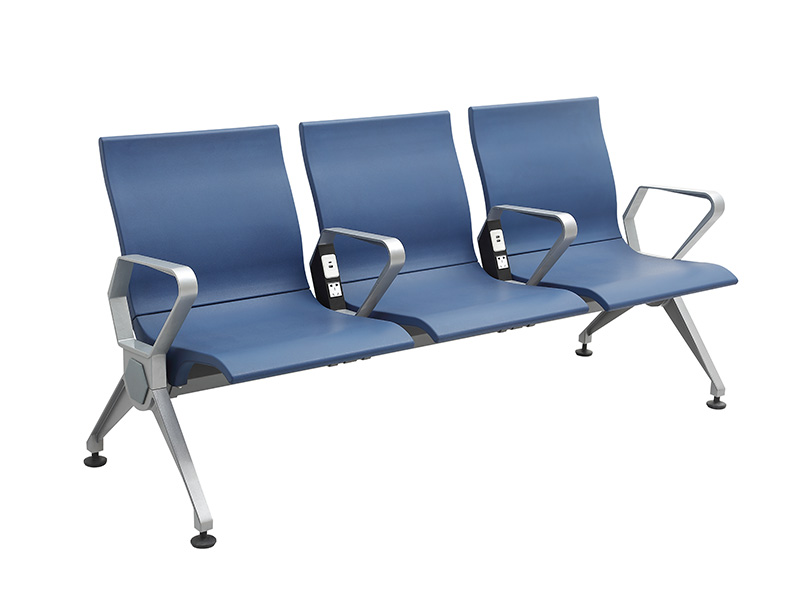
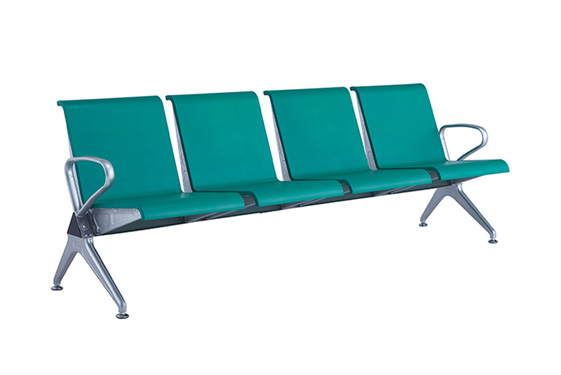
A good hospital waiting room chair should provide proper seat depth, back support and stable armrests when needed. Cushioned seats and ergonomic backrests are especially useful for clinics, outpatient departments, dental offices and medical reception areas.
For elderly patients or people with mobility challenges, chairs with armrests can provide extra support when sitting down or standing up.
Different healthcare spaces require different waiting room seating solutions. Before ordering chairs, buyers should consider the size and shape of the waiting area, the expected number of visitors and the daily traffic flow.
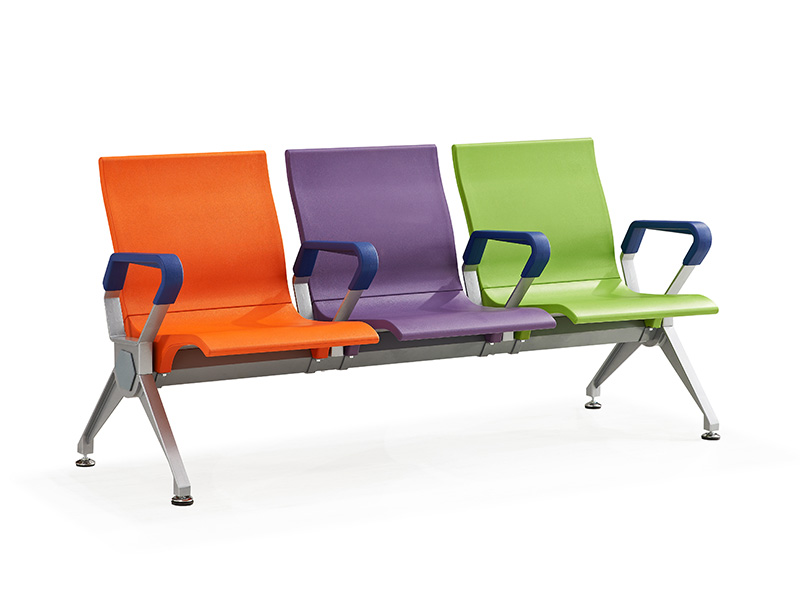
For large hospital lobbies, connected beam seating or multi-seat waiting chairs can save space and keep the area organized. For small clinics, individual chairs or modular seating may be more flexible. For family waiting areas, a mix of single seats and multi-seat benches can create a more practical layout.
A good layout helps improve space efficiency and keeps walkways clear for patients, wheelchairs and medical staff.
Hospital waiting chairs should match the overall image of the healthcare facility. Clean colors, simple lines and professional designs are often preferred for hospitals and clinics.
Blue, gray, black, beige and other calm colors are commonly used in medical waiting areas. These colors create a clean and reassuring atmosphere while matching different interior styles.
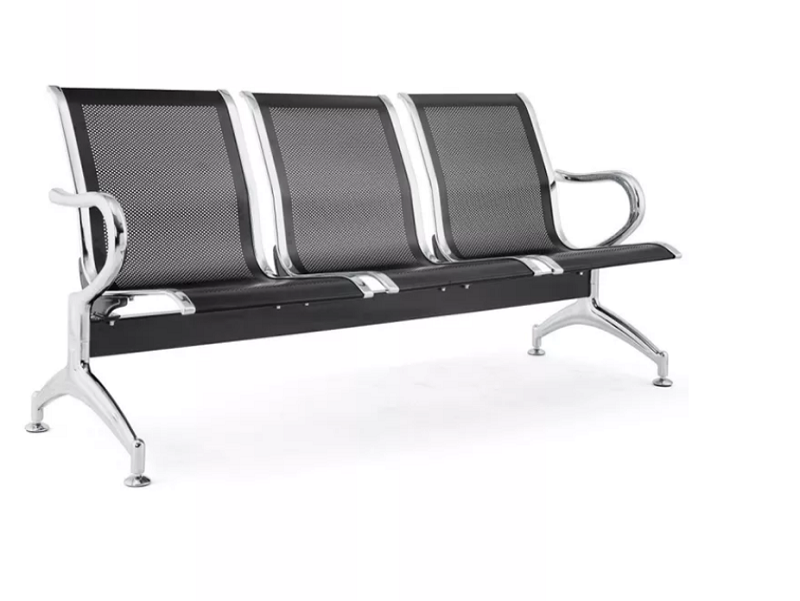
The material should also fit the use environment. PU hospital waiting chairs are suitable for easy cleaning, metal waiting chairs are suitable for heavy-duty public use, and upholstered chairs can be used in private clinics or VIP waiting areas that require a softer look.
Safety is essential for hospital furniture. A hospital waiting room chair should remain stable during frequent sitting, standing and movement.
Buyers should check the chair structure, frame strength, seat connection and floor contact design. Chairs used in hospitals should not shake easily or move too much during use. Rounded edges, stable armrests and strong frames can help reduce safety risks in public waiting spaces.
For high-traffic medical centers, heavy-duty public waiting chairs are often a better choice.
Hospital waiting areas serve many types of users, including children, adults, elderly patients, pregnant women and people with limited mobility. Therefore, seating should be comfortable and accessible for different users.
For general waiting rooms, standard hospital waiting chairs can meet most needs. For elderly care centers, rehabilitation areas or outpatient departments, chairs with armrests and higher seat height may be more user-friendly. For pediatric clinics, colorful seating or easy-clean materials may be more suitable.
Choosing the right chair based on user needs can make the healthcare space more practical and welcoming.
Price is important, but the cheapest chair is not always the best choice for hospital projects. A low-quality chair may need frequent repair or replacement, which increases long-term cost.
When comparing hospital waiting chairs, buyers should consider material quality, frame strength, cleaning performance, warranty support, customization options and supplier experience. A reliable hospital waiting room chair should balance cost, comfort and durability.
For project buyers, working with an experienced waiting chair supplier can help reduce selection risks and improve project efficiency.
Different hospitals and clinics may have different space sizes, brand colors and seating requirements. Customization can help the waiting chairs better match the project.
Common customization options include seat quantity, upholstery color, frame material, armrest style, cushion material and chair layout. For large medical projects, customized public waiting chairs can help create a unified and professional interior design.
Before placing an order, it is helpful to provide the supplier with floor plans, quantity requirements and application scenarios.
A good supplier should not only provide chairs but also help buyers choose suitable seating solutions. For hospital projects, suppliers need to understand public seating requirements, material selection, packaging, delivery and project support.
When choosing a hospital waiting chair supplier, consider product experience, customization ability, production capacity, quality control and export service. This is especially important for bulk orders, healthcare furniture projects and commercial public seating procurement.
Choosing the best hospital waiting room chair requires careful consideration of comfort, hygiene, durability, safety and space planning. The right hospital waiting chairs can improve patient experience, support daily healthcare operations and create a cleaner, more professional waiting area.
Whether you are planning seating for a hospital, clinic, dental office, outpatient center or medical reception area, selecting high-quality medical waiting room seating will bring long-term value to your project.
If you need durable and easy-clean hospital waiting room chairs for your healthcare project, contact WINNER FURNITURE for product recommendations, customization options and quotation support.
Copyright © Foshan Winner Furniture Co., Ltd. All Rights Reserved |
Sitemap
| Technical Support: