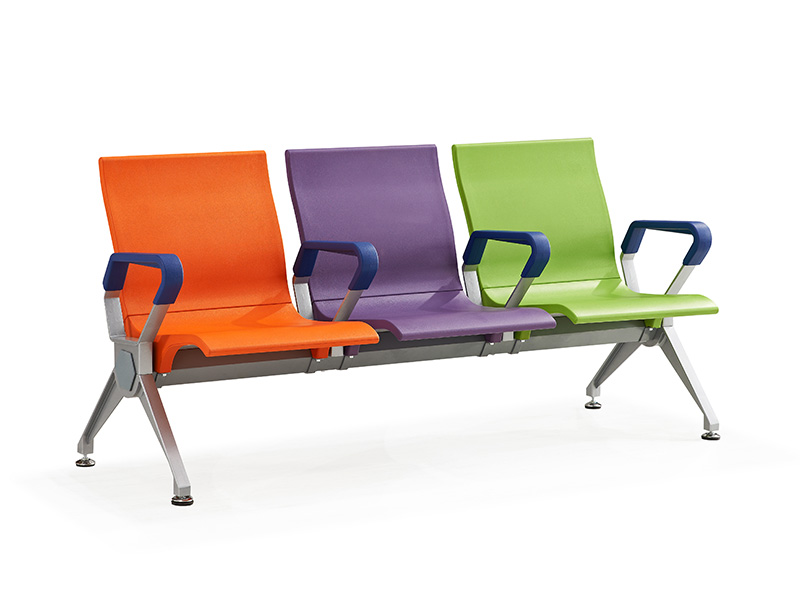
- Mob.
+86 138 2778 0549
+86 138 2778 0549
Airport terminals, railway stations and hospitals place continuous demands on public seating. Waiting chairs must withstand frequent use, repeated cleaning, varying user loads and long operating hours without compromising comfort or structural stability.
For buyers sourcing airport waiting chairs, hospital waiting chairs or railway station seating, product quality depends on more than appearance. Frame materials, surface finishes, upholstery, structural design and quality testing all influence durability, maintenance requirements and the overall cost of ownership.
Understanding how waiting chairs are manufactured helps procurement teams evaluate suppliers more effectively and select seating solutions that meet the practical demands of public facilities.
The frame is the primary load-bearing structure of a waiting chair. Its material, cross-section, connection design and manufacturing quality determine how well the chair performs under repeated use.
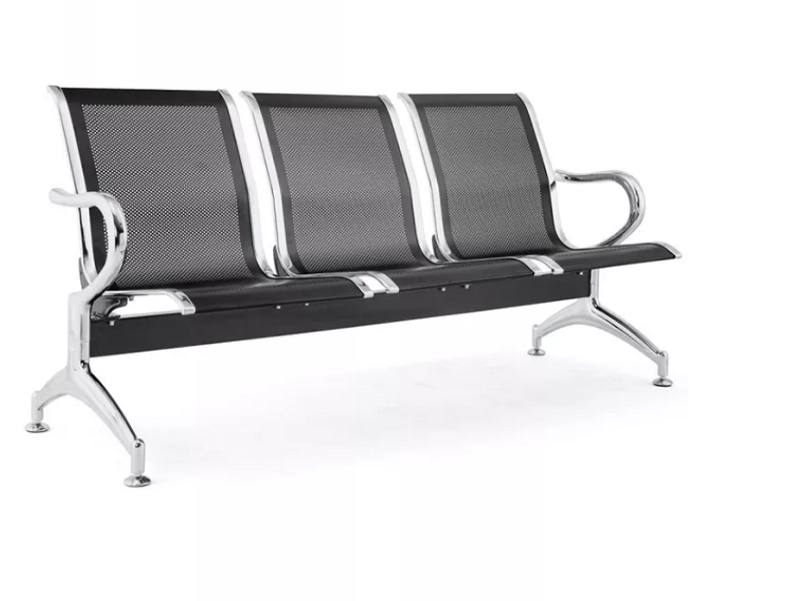
Stainless steel is widely used in public seating where corrosion resistance, durability and ease of maintenance are important. Grade 304 stainless steel is a common option for indoor public environments, including airports, hospitals and railway stations.
Material selection should account for the installation environment, cleaning chemicals and expected exposure to moisture. In more demanding environments, buyers should confirm the appropriate stainless steel grade and surface finish rather than assuming all stainless steel products offer identical corrosion resistance.
Aluminum alloy is another option for public seating structures and components. Its relatively low weight can simplify handling and installation while providing useful structural performance.
Die-cast aluminum armrests and other shaped components can support consistent production geometry and an integrated product appearance. Buyers should evaluate alloy specifications, component design and connection strength according to the intended application.
When comparing waiting chair manufacturers, procurement teams should request clear material specifications instead of relying on general descriptions such as premium metal or heavy-duty construction.
Material grades, wall thicknesses, component dimensions and connection details help buyers assess whether a product is suitable for its intended workload. These details are particularly important for seating installed in high-traffic terminals and healthcare facilities.
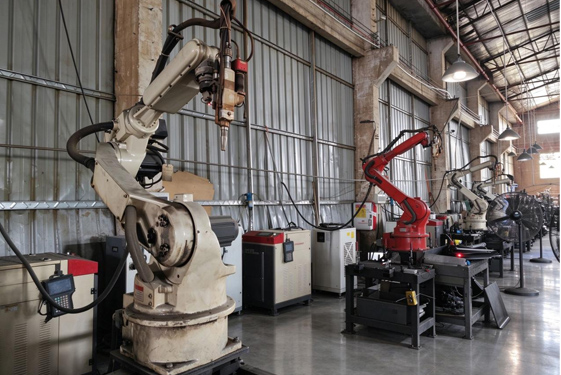
After metal components are fabricated, welding quality, surface preparation and finishing influence both appearance and long-term performance.
Electrostatic powder coating is a common finishing method for metal waiting chair frames. During the process, powder coating material is applied electrostatically and cured according to the coating system's requirements to form a protective surface layer.
A properly prepared and applied powder coating helps protect the underlying metal against environmental exposure and everyday abrasion. It can also reduce the visibility of minor surface wear and maintain a consistent appearance across seating installations.
However, coating performance depends on surface preparation, coating formulation, curing conditions and the quality of application. A coating should not be treated as a substitute for selecting an appropriate base material.
Public seating often forms part of a facility's overall interior design. Consistent color, a uniform finish and resistance to routine cleaning help maintain a professional appearance.
When evaluating a waiting chair supplier, buyers should examine coating coverage around welded joints, corners and edges, where inadequate preparation or application may affect durability.
For projects with specific cleaning procedures or environmental requirements, the coating's compatibility should be confirmed before production.
For upholstered waiting chairs, the seat and backrest materials directly influence user comfort, cleaning requirements and resistance to repeated use.
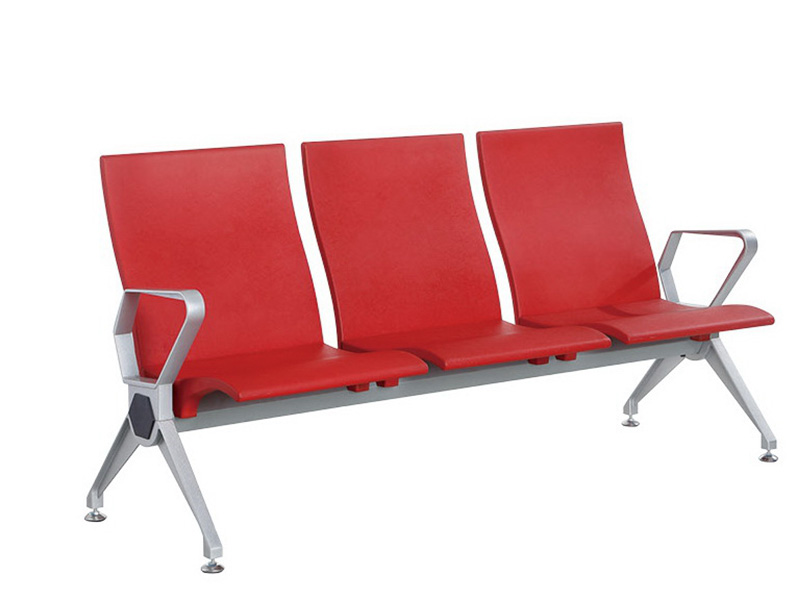
PU leather is commonly used for upholstered public seating because it offers a smooth surface that can be cleaned using suitable methods. It is available in different colors and finishes, making it useful for coordinating seating with airport terminals, hospitals and commercial interiors.
Buyers should confirm the upholstery's abrasion resistance, seam quality, cleaning compatibility and expected service conditions. Actual performance varies according to the material specification and manufacturing quality.
High-resilience foam provides cushioning and support for the seat and backrest. Foam density, thickness and resilience influence how the seat feels and how well it maintains its shape during repeated use.
Foam that is poorly matched to the application may lose its original shape or provide insufficient support over time. For public seating used throughout the day, buyers should consider cushioning performance alongside frame strength and upholstery durability.
Hospital waiting chairs and airport seating must accommodate users who may remain seated for extended periods. The upholstery should therefore balance comfort, cleanability and durability.
For healthcare environments, the selected upholstery and cleaning procedure should be compatible with the facility's hygiene requirements. Where specific infection-control or chemical-resistance requirements apply, appropriate supporting product information should be requested.
A durable waiting chair requires a structure designed for repeated loading and practical everyday use. Poorly designed joints, inadequate reinforcement or unstable feet can undermine performance even when the visible materials appear satisfactory.
Welding and reinforcement should be designed around the loads transferred through the frame. Connection areas and other highly stressed sections deserve particular attention during manufacturing and inspection.
Consistent welding quality, suitable component dimensions and accurate assembly help improve structural reliability. Buyers can inspect representative products and request relevant test documentation to understand how the manufacturer evaluates frame performance.
Seat height, seat depth, backrest shape and armrest positioning affect how easily users can sit down, remain comfortable and stand up.
For long waiting periods, supportive backrests and appropriately proportioned seats can help improve the user experience. Seating dimensions should also reflect the intended environment and the needs of the expected user population.
Rounded corners and carefully finished edges help reduce the risk of injury from accidental contact. Anti-slip feet can improve stability and help protect flooring when correctly matched to the installation surface.
For age-friendly public seating, armrests, suitable seat dimensions and stable construction are particularly relevant. These features should be evaluated as part of the complete seating design rather than treated as decorative additions.
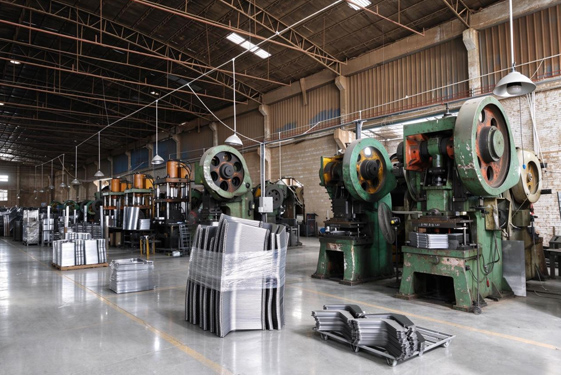
Quality control should confirm that waiting chairs meet defined requirements rather than relying solely on visual inspection.
Different tests evaluate different aspects of performance. Buyers should ask which tests are conducted, what criteria are used and whether the results apply to the specific product being purchased.
Load-bearing tests evaluate the structural response of a chair or its components under specified loading conditions. Depending on the test method, they may help identify weaknesses in frames, joints, seats or supporting components.
For large public seating projects, buyers should confirm the applicable test method, loading conditions and acceptance criteria. A general claim of heavy-duty performance is less informative than documented results.
Salt spray testing is used to evaluate the corrosion resistance of materials or coated components under specified test conditions. It can provide useful information when assessing metal frames and surface finishes.
The results should be interpreted according to the test method and acceptance criteria. Salt spray performance does not automatically predict the exact service life of a chair in every real-world environment.
Stability checks help evaluate whether a chair remains stable under defined conditions. Assembly inspections can identify loose connections, inconsistent component alignment, sharp edges and visible finishing defects.
Before shipment, manufacturers should also check product dimensions, upholstery condition, finish consistency and packaging requirements as applicable to the order.
For buyers, requesting relevant inspection records and test reports is a practical way to assess a supplier's quality-control process.
Choosing a waiting chair manufacturer involves evaluating the complete product and the supplier's ability to meet project requirements.
Consider the following factors before placing an order:
Material transparency: Confirm the frame material, grade, component dimensions and upholstery specifications.
Manufacturing quality: Review welding, surface preparation, powder coating and assembly consistency.
Ergonomic options: Check seat dimensions, backrest support, armrests and age-friendly design features.
Configuration flexibility: Confirm available seating capacities, layouts, finishes and project-specific options.
Quality documentation: Request relevant load-bearing, corrosion-resistance and stability test records where applicable.
Order management: Confirm production lead time, packaging, delivery arrangements and quality inspection procedures.
Buyers should also consider maintenance requirements over the expected service period. A lower initial purchase price may not represent the best value if the product requires frequent repairs, replacement components or premature refurbishment.
Different public environments place different demands on waiting chairs.
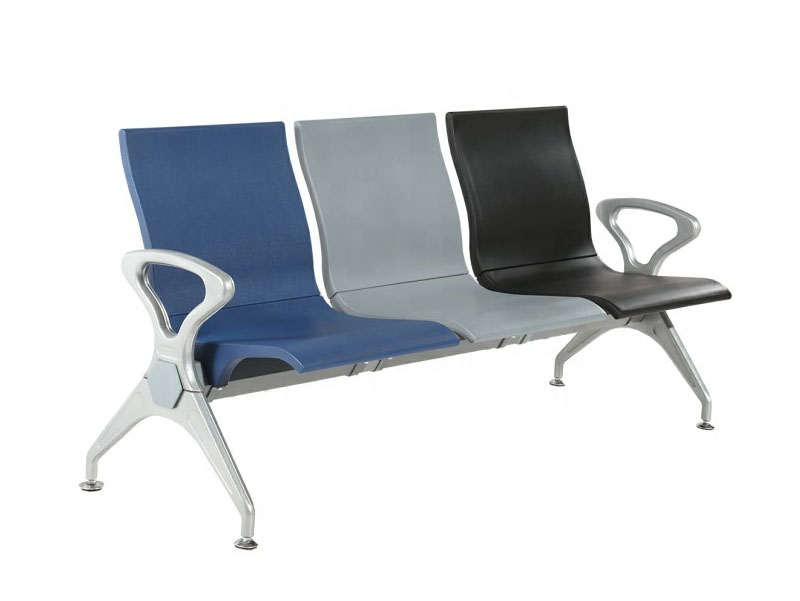
Airport waiting chairs should support frequent passenger use while balancing comfort, structural durability and straightforward maintenance. Seating layout and configuration should also accommodate passenger circulation and the operational needs of the terminal.
Railway station benches need to withstand regular use in busy waiting areas. Frame strength, surface durability and practical maintenance are important considerations when specifying seating for passenger halls and station platforms.
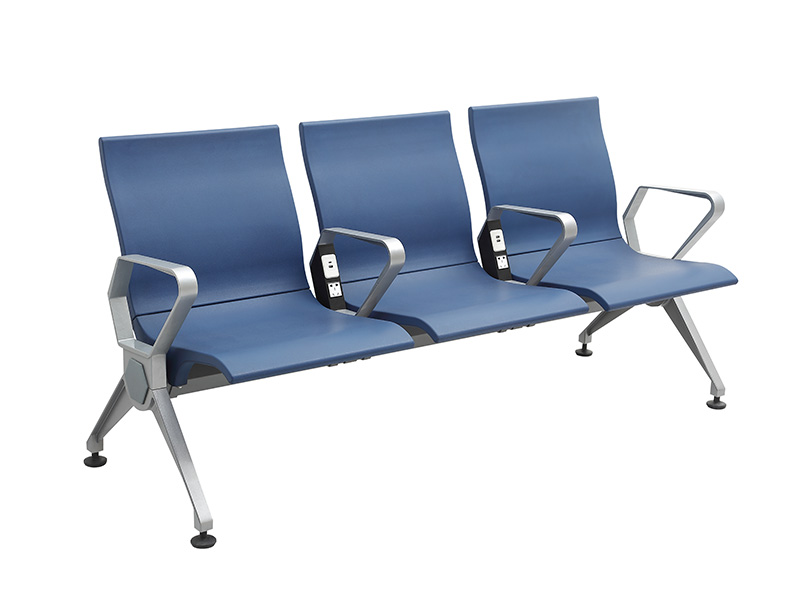
Hospital waiting chairs should prioritize supportive seating, stable construction and upholstery compatible with the facility's cleaning procedures. Armrests and appropriate seat proportions can also improve usability for elderly visitors and people with limited mobility.
For all three applications, product selection should be based on actual usage conditions, facility requirements and verifiable product specifications.
The durability of a waiting chair is determined by the combined quality of its materials, surface finishing, upholstery, structural design and manufacturing controls. Stainless steel or aluminum alloy components, appropriately applied powder coating, durable upholstery and well-designed frame connections can all contribute to reliable public seating.
For procurement teams, the most effective approach is to evaluate product specifications, inspect manufacturing quality and request relevant test documentation before making a purchasing decision.
WINNER FURNITURE provides public seating solutions for airports, railway stations, hospitals and other shared facilities. Contact our team to request a product catalog and discuss OEM/ODM options, seating configurations and project requirements.
Copyright © Foshan Winner Furniture Co., Ltd. All Rights Reserved |
Sitemap
| Technical Support: