- Mob.
+86 138 2778 0549
+86 138 2778 0549
China's 2026 policy agenda is placing greater emphasis on age-friendly public facilities and accessible urban environments. For public seating manufacturers and institutional buyers, these developments highlight the growing importance of safety, comfort and accessibility in the design of waiting areas across transportation hubs, hospitals and elderly-care facilities.
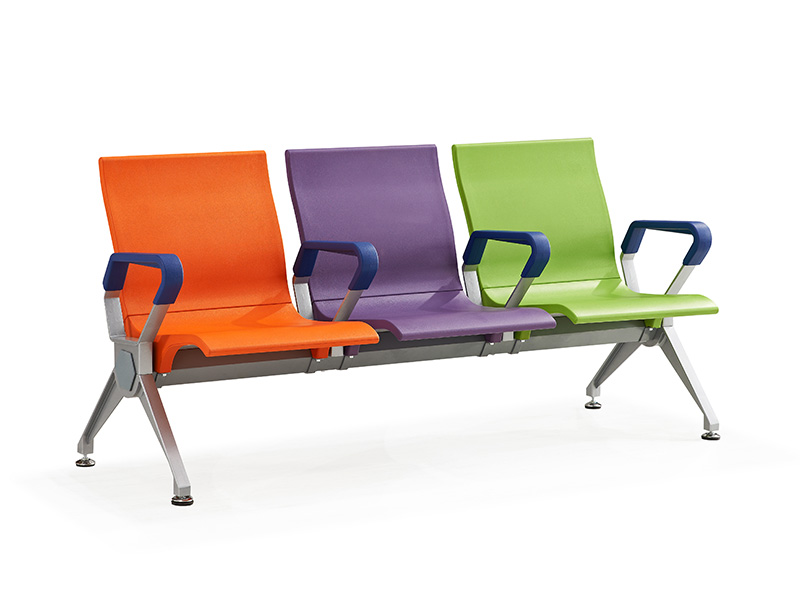
As public infrastructure continues to evolve, airport waiting chairs, railway station benches and hospital waiting chairs are expected to play an increasingly important role in creating more comfortable and inclusive public spaces.
Several major policy documents in 2026 have highlighted the need to improve age-friendly and accessible public environments.
The 15th Five-Year Plan for National Economic and Social Development emphasizes strengthening age-friendly retrofitting of public facilities. It also supports the development of the silver economy and a broader supply of age-friendly products and services.
For public seating manufacturers, this direction highlights the importance of designing products that address the practical needs of older adults, particularly in high-traffic public spaces where comfort, stability and ease of use matter.
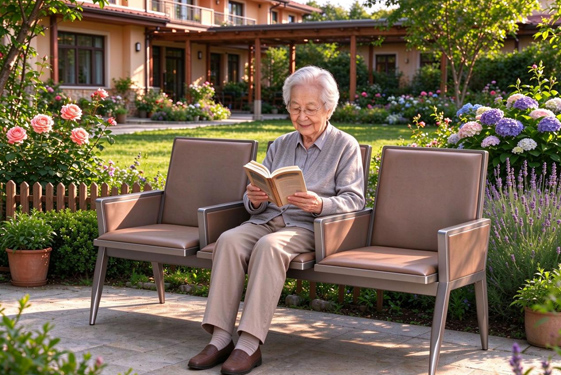
The 2026 Government Work Report calls for greater efforts in age-friendly and accessible retrofitting as part of people-centered urbanization.
This policy direction reinforces the need to consider accessibility throughout the planning and upgrading of public facilities. Seating is one of the practical elements that can improve the experience of elderly passengers, hospital visitors and people who need additional support when sitting down or standing up.
The 15th Five-Year Urban Renewal Plan further emphasizes improvements to age-friendly, child-friendly and accessible environments.
Together, these policy directions create a stronger basis for upgrading public spaces. Transportation stations, hospitals and elderly-care communities are important settings where accessible seating solutions can contribute to safer and more comfortable daily experiences.
Age-friendly retrofitting is changing the way public seating is evaluated. Buyers increasingly need to consider not only seating capacity and durability, but also how well a product accommodates people with different mobility and comfort requirements.
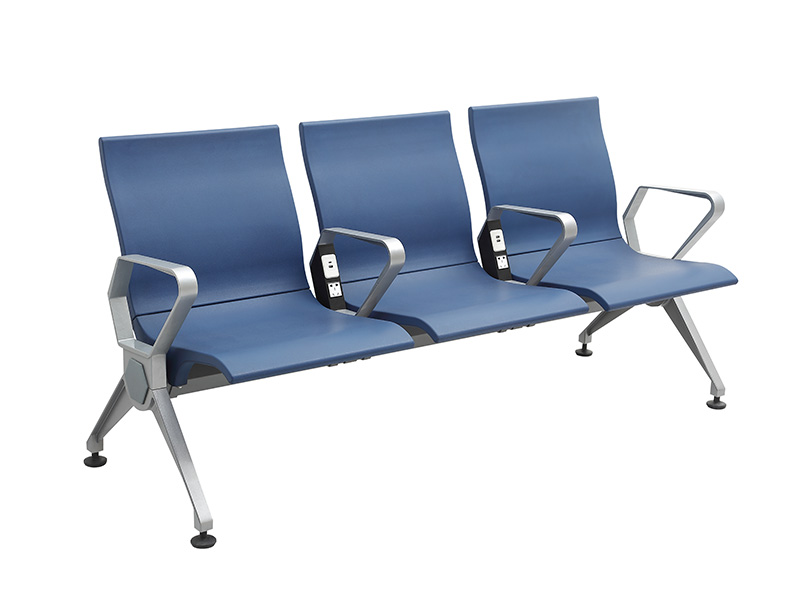
Armrests can provide additional support when users sit down or stand up. For elderly passengers and visitors with limited mobility, well-positioned armrests can make waiting chairs easier to use.
Seat height, seat depth and backrest support should also be considered according to the intended users and installation environment.
Rounded edges and carefully finished surfaces help reduce the risk of injury from accidental contact. These details are particularly relevant in busy public areas where people move around seating rows and interact with other facility users.
Surface selection, structural stability and reliable fastening are important considerations for public seating. Products should be evaluated according to their intended environment, expected traffic and maintenance requirements.
For large-scale projects, buyers should also consider material durability, cleaning procedures and the availability of replacement components.
Passengers in airports and railway stations, as well as visitors in hospitals, may spend considerable time waiting. Supportive backrests, suitable seat dimensions and thoughtful spacing can improve comfort during extended use.
For public facility projects, ergonomic design should be balanced with seating capacity, accessibility and the practical requirements of the installation site.
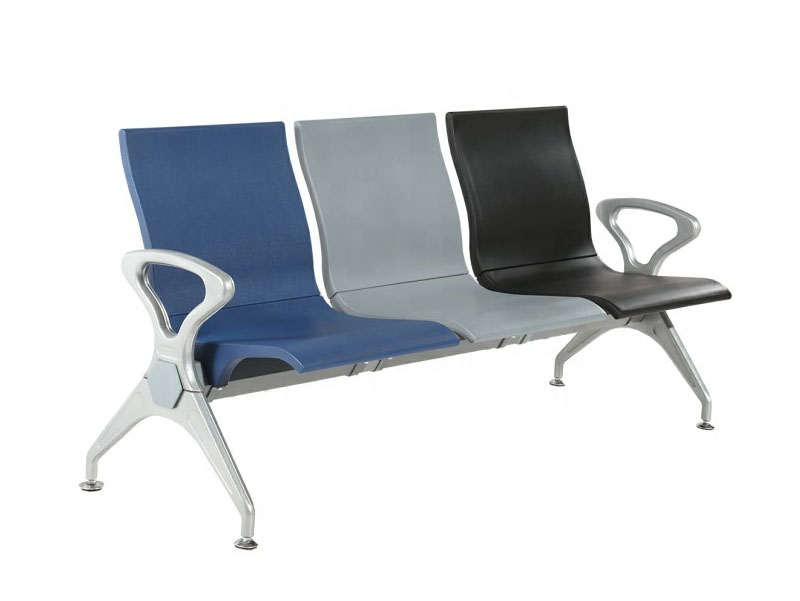
Airports serve passengers of different ages and mobility levels, often across long waiting periods. Airport waiting chairs should combine durable construction with supportive seating, easy maintenance and layouts that allow convenient movement through waiting areas.
For airport operators and project contractors, selecting suitable seating can help improve passenger comfort while meeting the operational needs of high-traffic terminals.
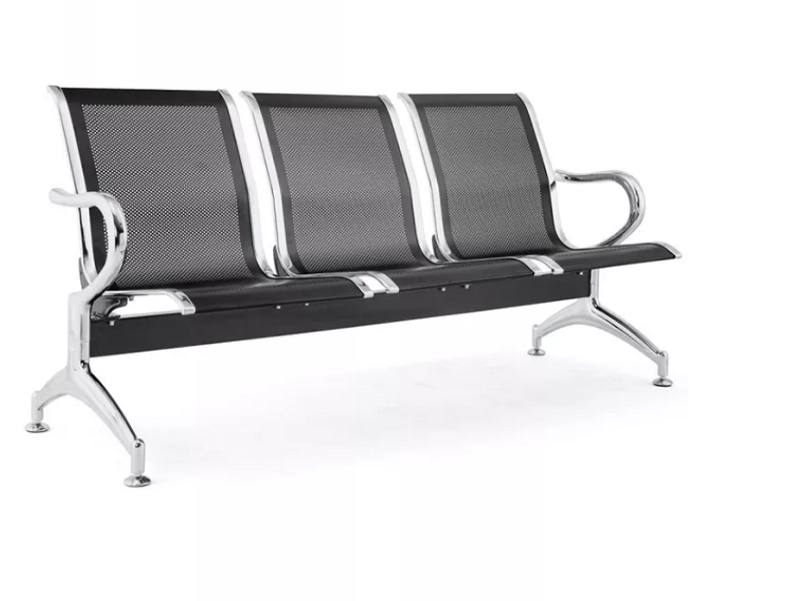
Railway stations require seating solutions that accommodate fluctuating passenger volumes and frequent use. Station benches should provide reliable structural performance, comfortable seating and practical layouts for waiting halls and passenger circulation areas.
Age-friendly design considerations can help make station waiting areas more accessible to older passengers and people who need additional support.
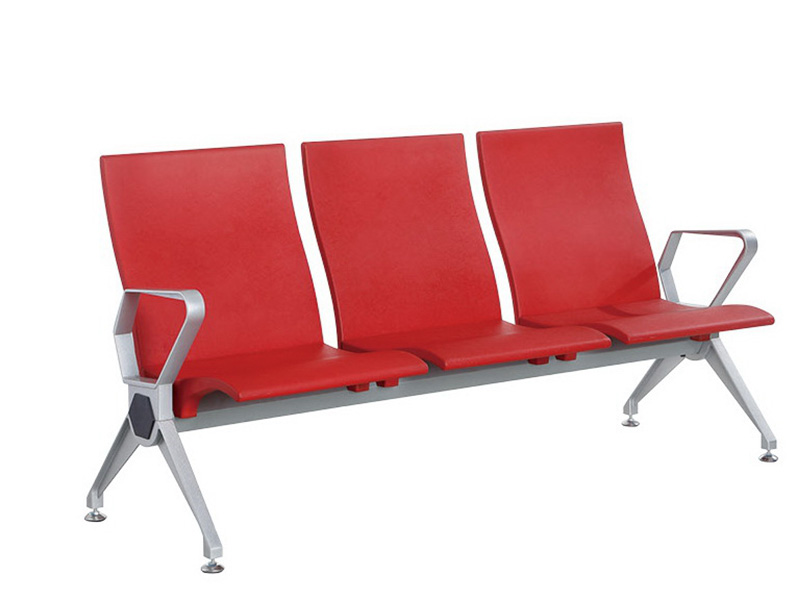
Hospitals and healthcare facilities serve patients, older adults, caregivers and visitors with different physical needs. Hospital waiting chairs should prioritize comfort, stability, easy cleaning and practical maintenance.
Armrests, supportive backrests and appropriate seat dimensions can help improve the waiting experience, while durable materials are important for facilities that require frequent cleaning.
In elderly-care communities and public service facilities, seating needs to support everyday activities while remaining comfortable and accessible. Appropriate seat proportions, supportive armrests and stable construction can help accommodate users with varying mobility requirements.
When sourcing seating for age-friendly retrofitting projects, procurement teams should evaluate more than the initial purchase price.
User accessibility: Consider seat dimensions, armrest placement and ease of sitting down and standing up.
Structural safety: Review stability, load capacity, connection details and relevant product test data.
Material durability: Match materials and finishes to expected usage, cleaning procedures and environmental conditions.
Maintenance requirements: Consider surface cleaning, component replacement and long-term maintenance costs.
Project customization: Evaluate whether seating dimensions, configurations, finishes and installation layouts can be adapted to the project.
Supplier capabilities: Confirm production capacity, quality-control procedures, delivery schedules and OEM/ODM support where required.
These considerations help buyers assess whether a seating solution is suitable for the specific facility rather than relying on appearance or price alone.
WINNER FURNITURE recognizes the growing importance of age-friendly and accessible design in public environments. As public facilities continue to upgrade their waiting areas, seating solutions need to balance comfort, safety, durability and practical maintenance.
We will continue to follow developments in public facility design and integrate relevant age-friendly considerations into our product development process. Our product range includes airport waiting chairs, station benches and hospital waiting chairs for public spaces where reliable seating and user comfort are essential.
For project buyers, distributors and facility contractors, WINNER FURNITURE can discuss product configurations and OEM/ODM requirements according to project needs.
Looking for public seating solutions for airports, railway stations or healthcare facilities? Contact WINNER FURNITURE to request our product catalog and discuss your project requirements.
Copyright © Foshan Winner Furniture Co., Ltd. All Rights Reserved |
Sitemap
| Technical Support: