- Mob.
+86 138 2778 0549
+86 138 2778 0549
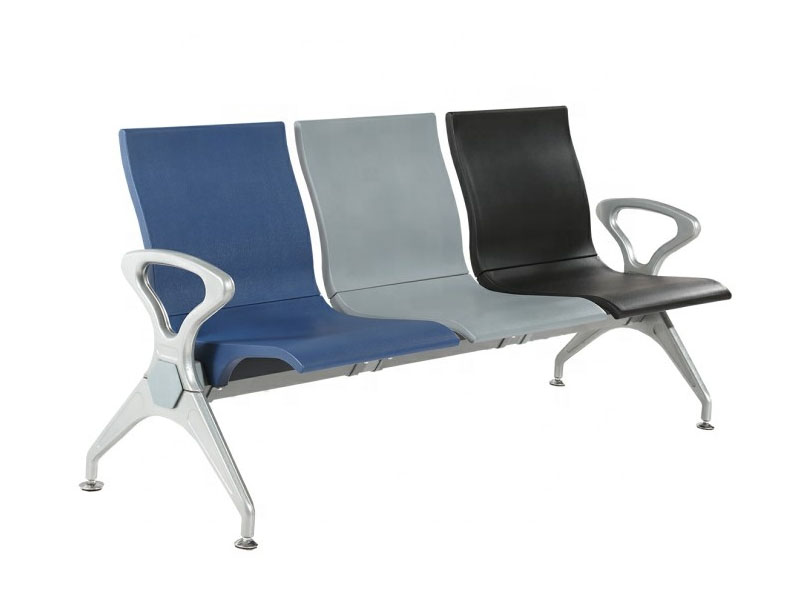
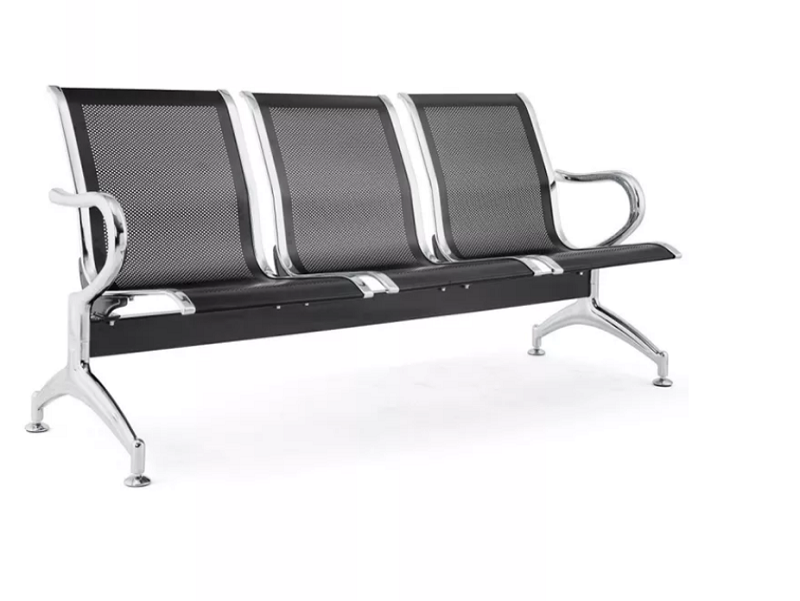
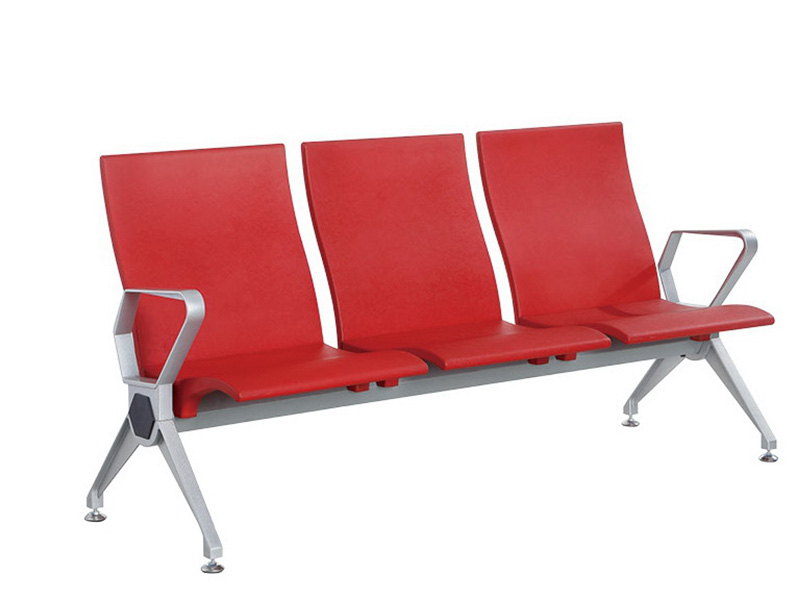
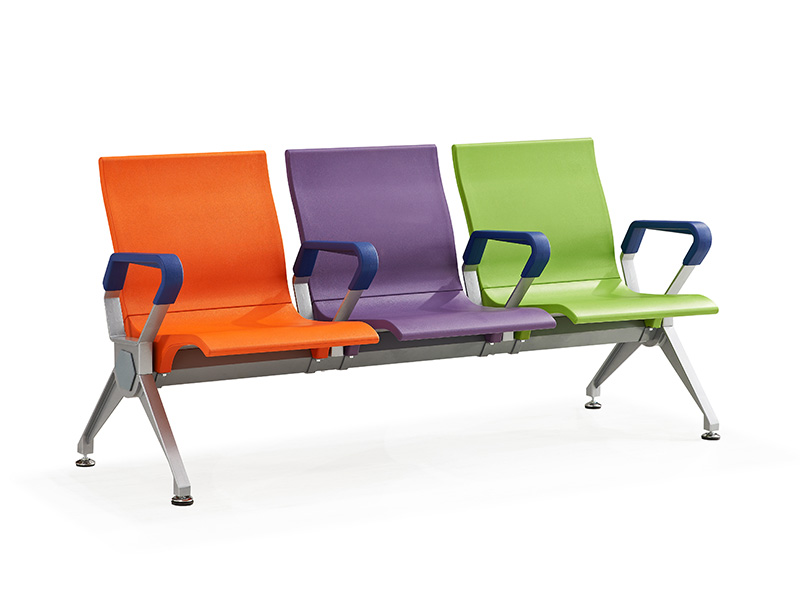
Railway station waiting chairs cater to a diverse group of travelers, providing necessary comfort and support while they await their journeys. In high-traffic locations, such as major transport hubs, the challenges include ensuring durability, comfort, and ease of maintenance. A common issue travelers face is inadequate seating that leads to discomfort and dissatisfaction during long waiting periods. With wear and tear being significant concerns, subway and train stations need waiting chairs that withstand high usage while offering ergonomic benefits. By exploring chair materials, design, and features, we can find solutions to improve overall user experience during these critical waiting moments.
Understanding the fundamentals of railway station waiting chairs requires familiarity with key terms such as ergonomics, biodegradable materials, and modular design. Ergonomics refers to the science of designing chairs that conform to human physiology, ensuring comfort during prolonged periods of sitting. Biodegradable materials offer sustainable options, reducing environmental impact. Modular design facilitates flexibility in arranging seating layouts, accommodating varying numbers of passengers.
The principle of durability is paramount; for instance, waiting chairs made from high-density polyethylene (HDPE) can withstand impacts and offer a life span exceeding 10 years in outdoor environments, while stainless steel frameworks provide corrosion resistance, lasting even longer in harsher climates.
Determine the expected foot traffic and duration of waiting. High-traffic areas might require chairs that not only offer comfort but also support heavy use.
Evaluate materials based on comfort, durability, and maintenance costs. For example, synthetic fabrics may have a 35% lower maintenance cost over ten years compared to traditional upholstery, while aluminum frames can be 20% lighter than steel options.
Check for ergonomic features such as lumbar support and seat contouring. Research indicates that chairs designed with lumbar support reduce lower back pain by 60% in users sitting for extended periods.
Design should match the station’s theme, improving user experience. A modern, sleek appearance can increase user satisfaction scores by up to 45% as reported in post-use surveys.
Conduct durability tests on selected models. For instance, chairs should endure up to 100,000 cycles of a weight of 250 pounds without significant wear.
Implement pilot testing in select areas and gather user feedback. User satisfaction surveys can reveal comfort ratings of 4.5 out of 5 for well-designed waiting chairs.
Q: What is the average lifespan of a railway station waiting chair?
A: High-quality railway station waiting chairs typically last around 10-15 years, depending on the materials used and chair maintenance.
Q: Are there eco-friendly options available?
A: Yes, many manufacturers now offer biodegradable materials and sustainable designs which help reduce environmental impact.
Q: How do ergonomic chairs improve passenger experience?
A: Ergonomic chairs reduce discomfort and potential health issues such as back pain, leading to an increased traveler satisfaction rate of up to 60%.
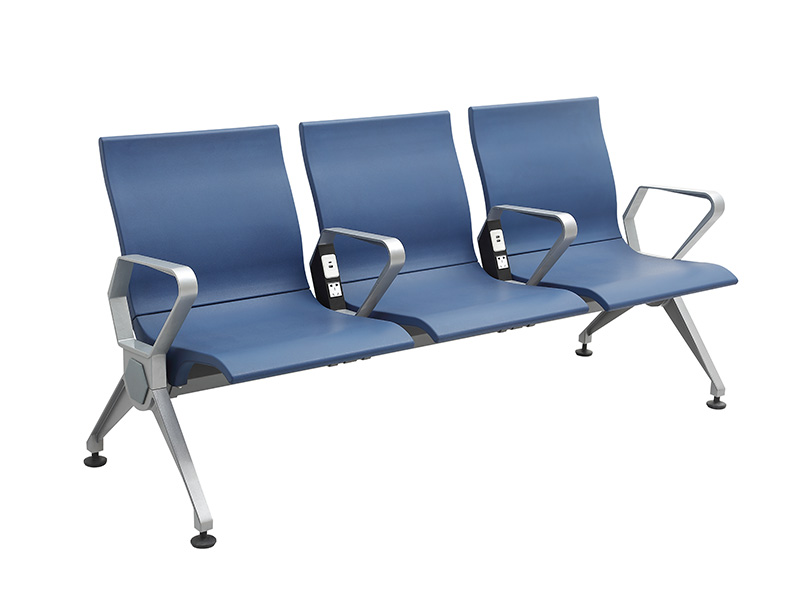
For those wanting to delve deeper into railway station waiting chair design, consider researching materials performance, sustainability impacts, and user experience strategies. The ongoing development of smart seating solutions, such as incorporated charging ports and connectivity features, is also worth exploring, as they could improve the overall user experience in the future.
When considering railway station waiting chairs, brands like WINNER offer a range of products that meet durability and comfort standards while supporting ergonomic design principles. Their waiting chairs feature robust materials and modern aesthetics to enhance user experience. For an innovative selection and to optimize your railway seating solution, reach out to WINNER.
Copyright © Foshan Winner Furniture Co., Ltd. All Rights Reserved |
Sitemap
| Technical Support: